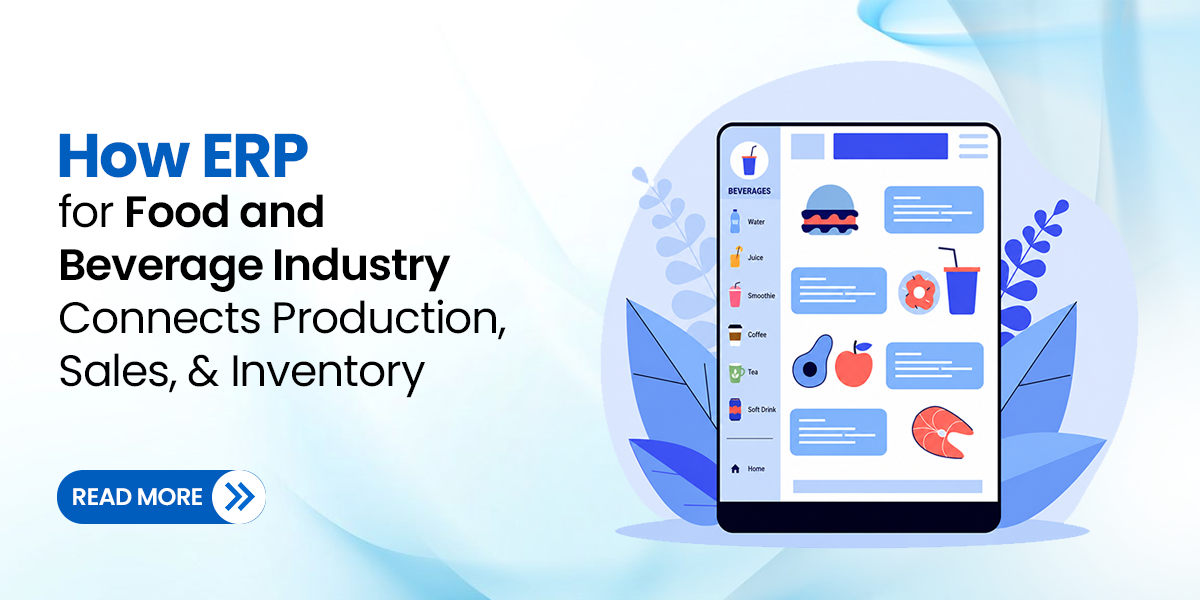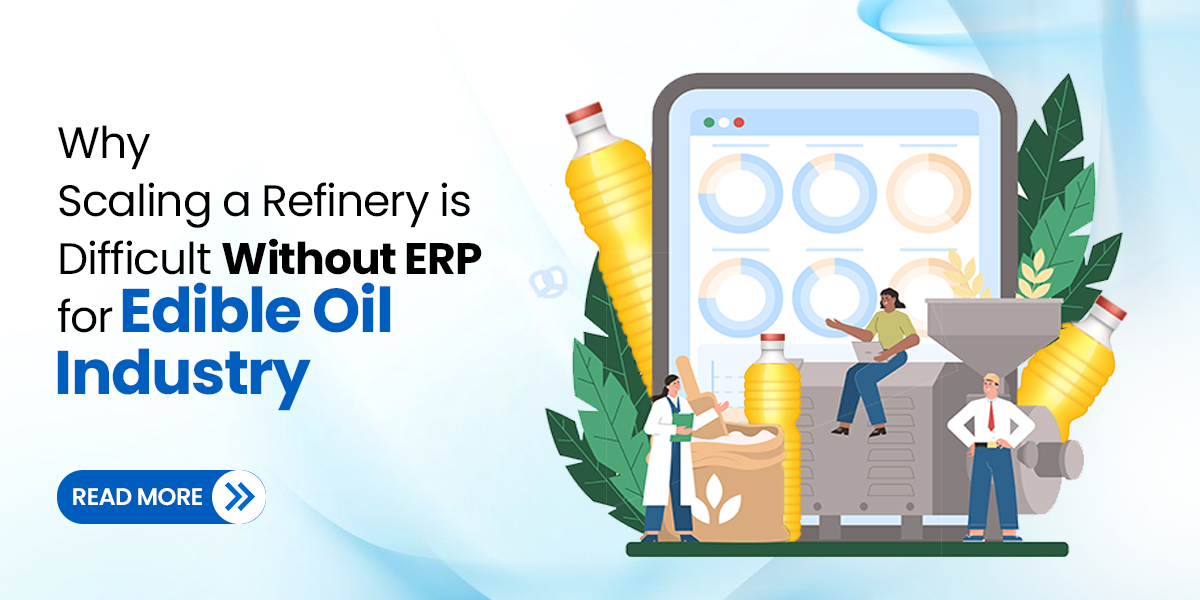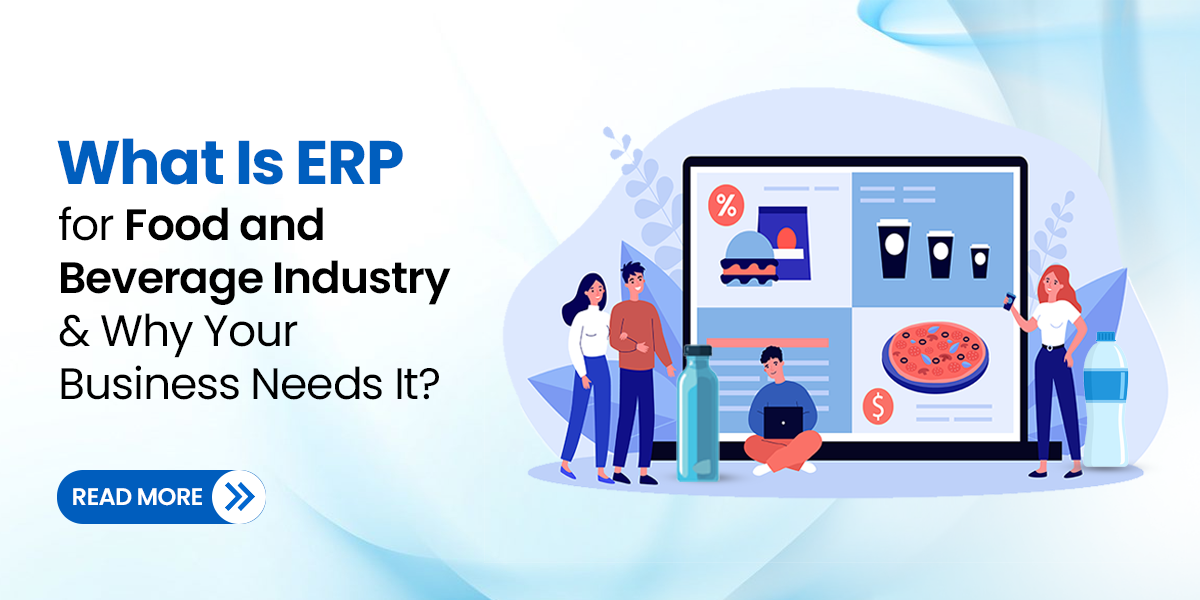

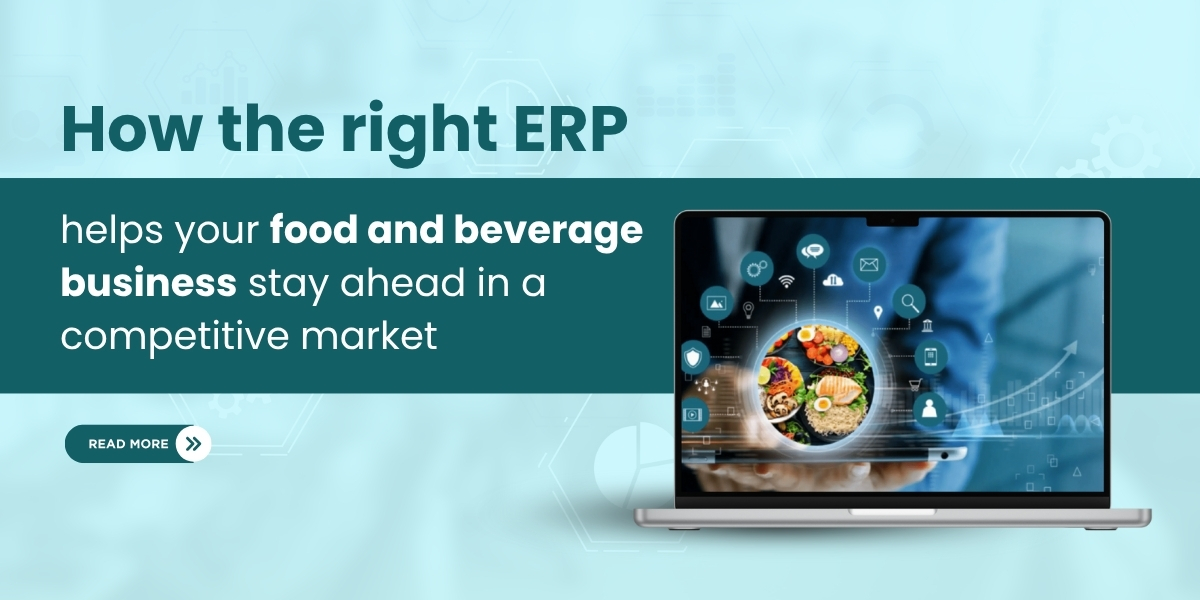

The food and beverage industry moves quickly, and it can be tough to stand out from all the other companies. Businesses in this sector have to keep up with what customers want, follow all the rules, and make sure their products are good and all of this while trying to keep costs down. Balancing all these parts on your own or using systems that are no longer up to date can cause mistakes, make things take too long, and miss chances to save time or make money. At such time, choose ERP Solution.
ERP software makes things easier for F&B businesses by helping them manage tasks better, keep track of their data more accurately, and help managers make smarter decisions at work. In today’s market, having the right ERP system isn’t just nice to have; it’s something a company needs to do well.
ERP Simplifies Supply Chain and Inventory Challenges
Managing supply chains and inventory is one of the hardest parts of working in the food and beverage business. Without proper tracking, businesses might get products that go bad, order too much of something, or not have enough important items on hand. By making how goods are tracked and stored in the business clear and better organized, food and beverage ERP helps companies use materials more wisely, save money, and make sure their products get to customers on time.
Quality Control and Compliance Become More Manageable with ERP
Ensuring quality and making sure the food and drinks people get are safe are very important in the food and beverage business. Products must not only taste and look good, but they also need to follow the food safety rules in the area and other countries. ERP Solution helps businesses keep up with customers’ expectations and follow all the rules legally.
How Can ERP Improve Decision Making in Food and Beverage Businesses?
Sales, production, inventory, and finance are all included in the areas from which data is collected by ERP software. Generating all the data together lets you see the performance of the business. Data can help owners and managers determine the best actions, whether they need to set new prices, plan their next production, or alter their list of suppliers. Because ERP keeps data up to date in real time, businesses can quickly react to changes happening within the market or what customers want. When companies respond quickly, they gain an advantage over those that depend on guesses or reports that are delayed. When using ERP, companies can choose better and more efficiently.
How Does ERP Help Improve Small and Medium Food Businesses?
Many food businesses think that ERP is out of their reach, but it doesn’t have to be. ERP can give smaller companies an edge over their competitors. They use it to compete with major brands by simplifying daily work, minimizing errors, and working more efficiently. As another instance, a bakery can oversee food orders, handle inventory, and ensure quality without needing additional personnel. ERP software also helps small businesses scale up more easily as demand grows. Having all elements linked allows them to manage more orders without causing any issues.
Conclusion
The challenge in food and beverage is to ensure success by being efficient, always consistent, and quick to adapt. All these requirements are addressed by ERP, as they simplify how the supply chain works, make quality control more effective, and offer quick insights for correct decisions. With both small and large companies, food and beverage ERP software forms a reliable base for success in the long run. At Global Infocloud, we realize the problems within the F&B sector and supply ERP solutions that support efficient operations and adherence to rules, and allow companies to stay competitive. Once you have the proper tools, you can achieve progress and sustain it.