
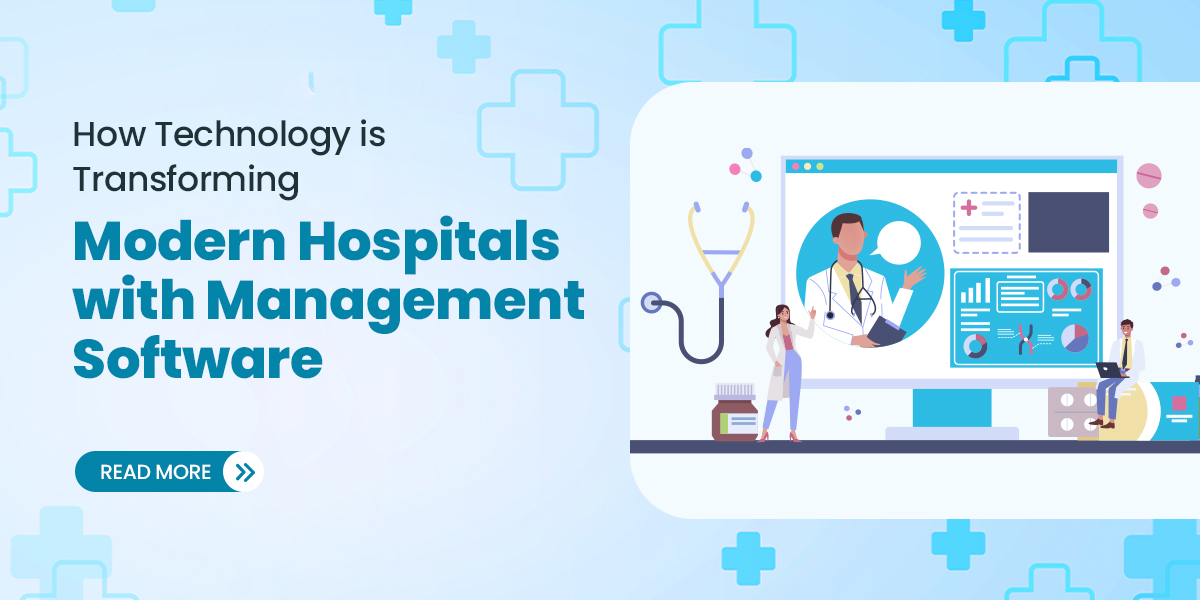

Today, hospitals are not just treatment facilities anymore; they are highly complicated ecosystems that deal with patient care, administration, billing, compliance, and resource allocation. Conventional approaches tend to cause delays, inefficiencies, and a lack of communication among the departments. This is where technology, especially the hospital management software, is changing the healthcare landscape. Hospitals are also becoming smarter with things like real-time access to data, automation, and built-in workflows, which enhance the quality of care given to the patients and efficiency of the work.
What is the patient care experience with the management software?
Patient experience is one of the largest effects of hospital software. Through the digitalization of health records and by supporting real-time interdepartmental sharing, care providers could make quicker and more precise decisions. The patient has the benefit of shorter waiting times, fast access to test results, and a continuum of care with various specialties. The integration of this makes sure that the focus is on delivering the right treatment at the right time.
Is Technology a Reducer of Administrative Load in Hospitals?
Billings, scheduling, and compliance are some administrative functions that can be very time-consuming for staff. These processes are automated by management software, which lowers the paperwork and errors. Technology in hospitals is transparent and efficient in the generation of accurate bills and insurance claims. To doctors and nurses, this would mean that they spend more time with patients rather than being entangled with the paperwork.
Smooth running is better efficiency
Hospitals in contemporary times work with huge resources such as medical equipment, staff, and inventory. Centralization of hospital management software has enabled all these functions to be under a single platform, whereby everything is monitored and used in the best way possible. Whether it’s drug inventory monitoring, scheduling of staff shifts, or planning of surgeries, the software makes sure that all goes on smoothly. The outcome is a cost-saving and better-service-delivering hospital environment.
Big Data Research Informs Future Healthcare
Hospital management software is able to produce insights, which is one of the most potent functions. Hospitals can make future decisions based on the analysis of patient data, treatment outcomes, and resource utilization. Predictive analytics can be used to detect trends in patients, improve the resource plan, and increase preventive care actions. This fact-based solution not only makes existing hospitals work better, but it also makes the future of healthcare provision smarter.
Conclusion
Modern hospitals are being revolutionized with technology that has made them more efficient and transparent, as well as patient-oriented, by means of advanced management software. Digital systems are transforming the way healthcare institutions operate, whether it is by improving patient care or streamlining operations and making use of data to drive strategies. In case hospitals wish to undergo this change, reach out to Global Infocloud, whose hospital software is expected to handle the specific demands of the modern healthcare industry.